



 1223
1223
The captal spine is an important element of bookbinding that can sometimes go unnoticed. However, a well-executed captal spine is just as significant as the decorative cover of a book. Those with a true appreciation for books will always take special notice of them.
Guzyali Pollykova, a senior researcher at the Magtymguly Institute of Language, Literature, and National Manuscripts of the Academy of Sciences of Turkmenistan, has highlighted the significance of the captal spine in her article published in the "Diyar" magazine.
Captals are decorative and functional elements used to strengthen the bookcases and spine of a manuscript. They are made using colored or plain threads and wound around a base made from various materials. Captals contain a large amount of codicological information and play an important role in determining the time of creation and binding technique of a manuscript. In this article, the author examines some early types of captal-making techniques such as Coptic, Byzantine, and Islamic. Captal weaving for Central Asian manuscripts is an additional means of increasing the strength of notebooks at the edges of the book spine.
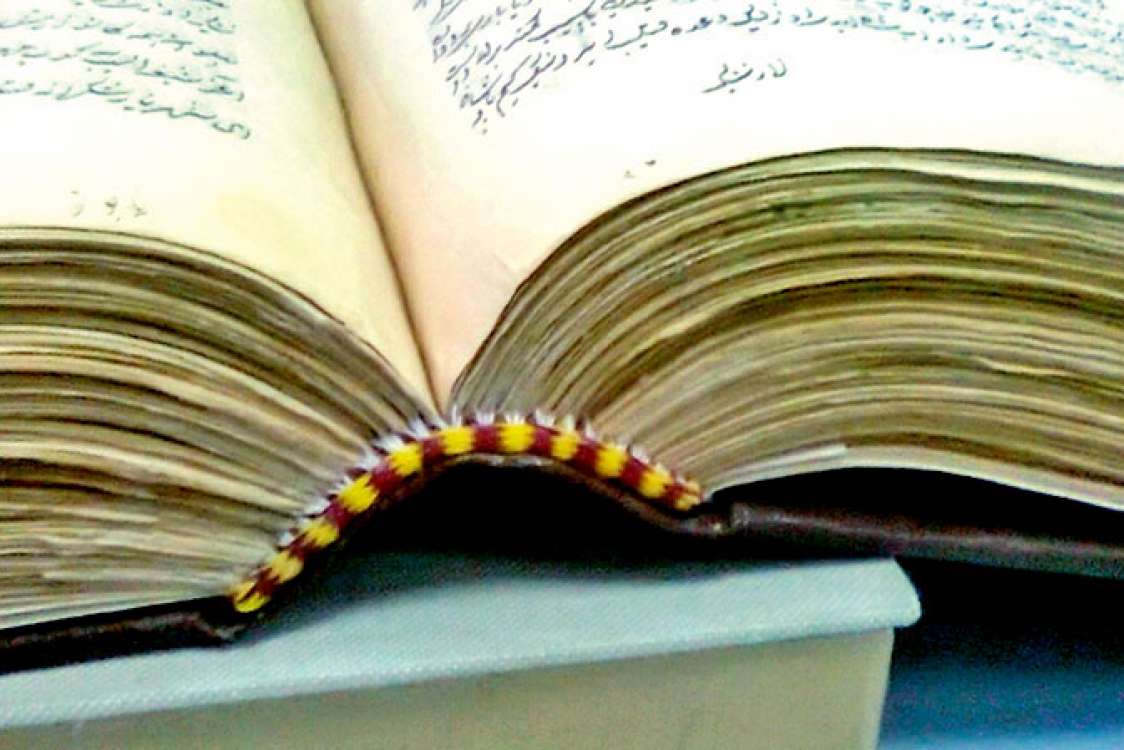

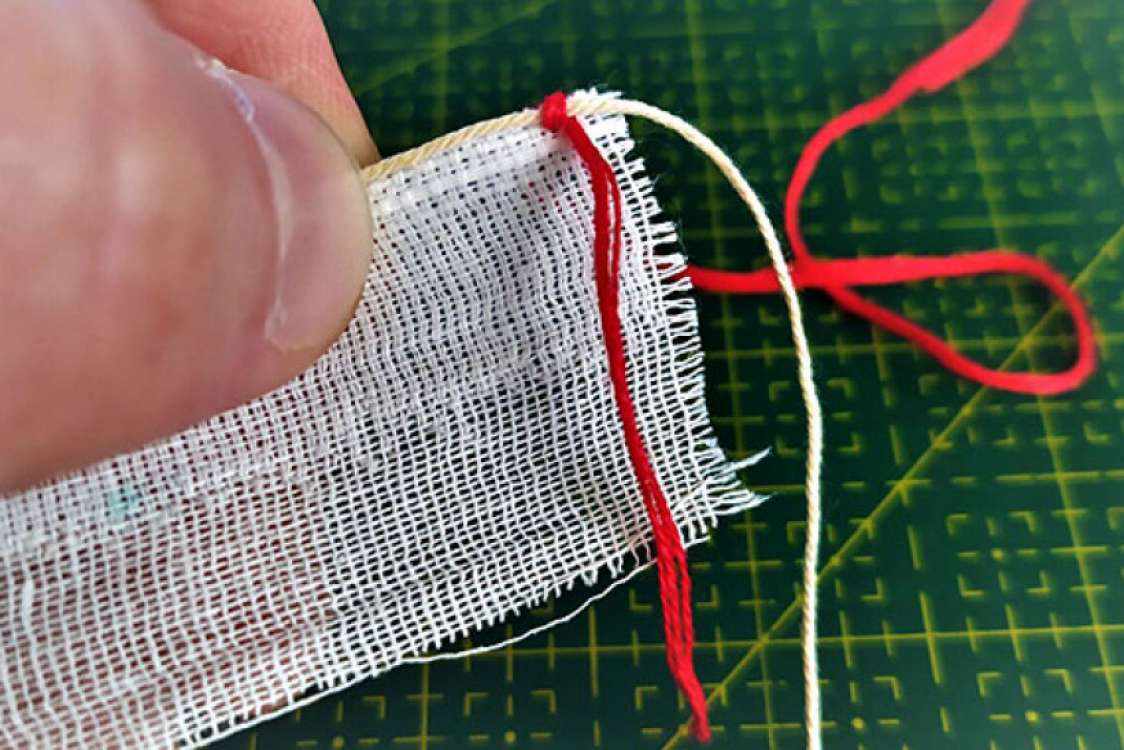
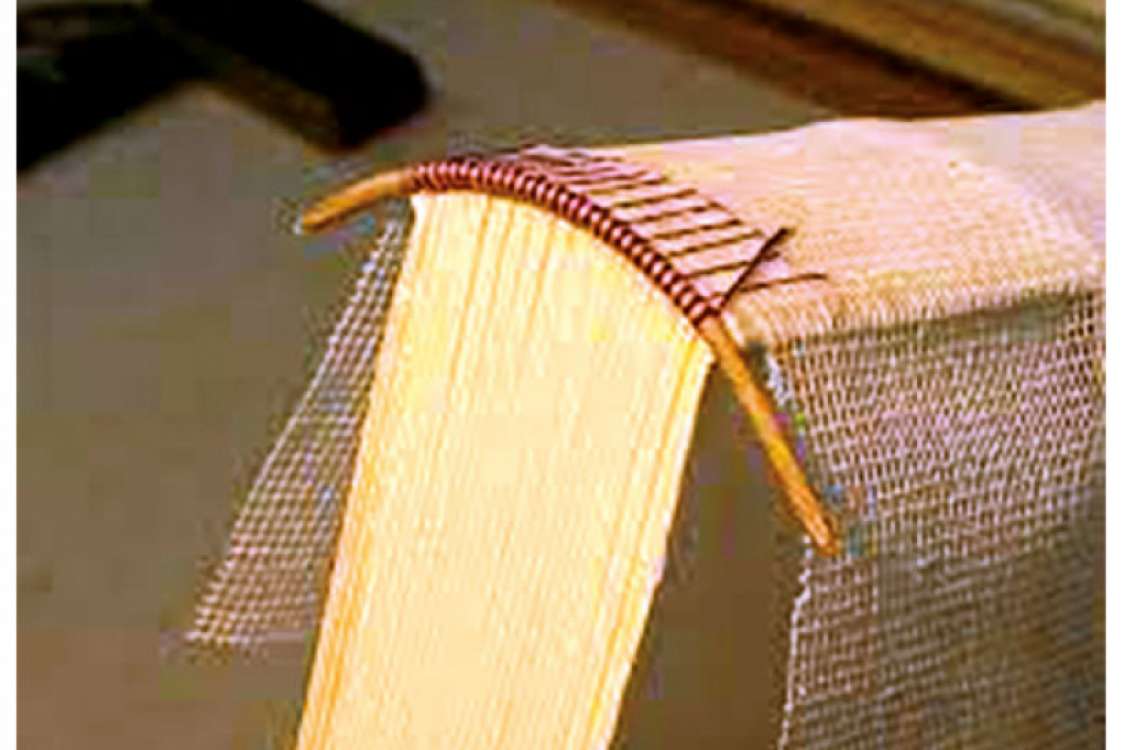
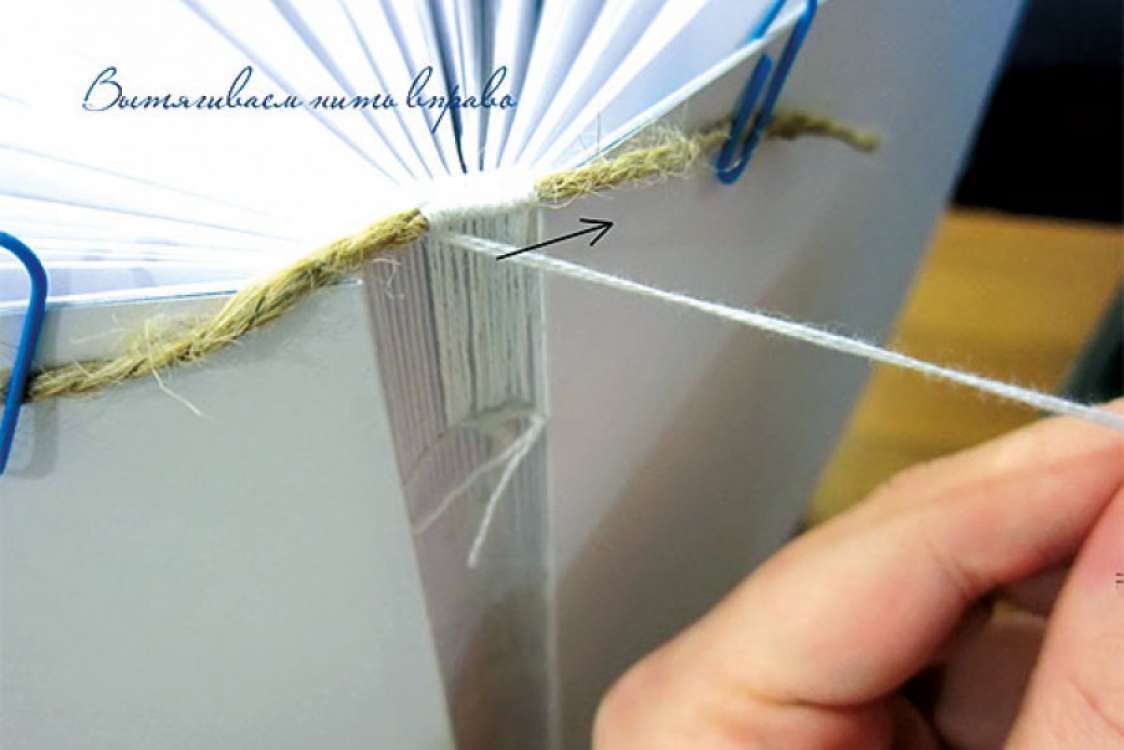 5476
5364
5259
4680
81
189
244
5476
5364
5259
4680
81
189
244


 244
244
 189
189
 254
254
 256
256

 296
296
 260
260
 425
425
 357
357