


 3212
3212
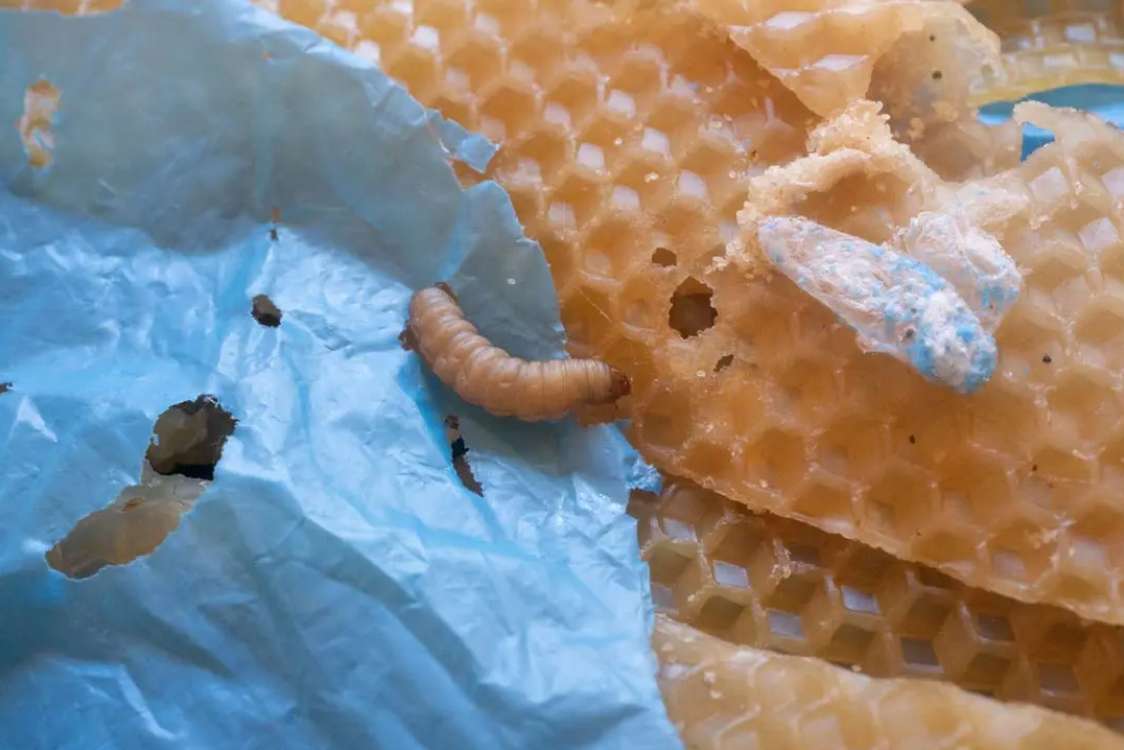
Two substances in the saliva of wax worms - moth larvae that eat wax made by bees to build honeycombs - readily break down a common type of plastic, researchers said on Tuesday, in a potential advance in the global fight against plastic pollution.
The researchers said the two enzymes identified in the caterpillar saliva were found to rapidly and at room temperature degrade polyethylene, the world's most widely used plastic and a major contributor to an environmental crisis extending from ocean trenches to mountaintops. The study builds on the researchers' 2017 findings that wax worms were capable of degrading polyethylene, though at that time it was unclear how these small insects did it. The answer was enzymes - substances produced by living organisms that trigger biochemical reactions.
For plastic to degrade, oxygen must penetrate the polymer - or plastic molecule - in an important initial step called oxidation. The researchers found that the enzymes performed this step within hours without the need for pre-treatment such as applying heat or radiation.
5476
5364
5260
4680
81
190
245


 245
245
 190
190
 254
254
 258
258

 297
297
 261
261
 426
426
 359
359